

The conversation around AI and the future of work is accelerating rapidly. Every week, new headlines predict which roles may disappear next, how automation will reshape industries, and which skills employees need to remain competitive.

Nearly 75% of women do not disclose menopause symptoms at work. The reason is not lack of need. It is fear. Despite increasing awareness of menopause at work, silence remains the dominant response. Women continue to manage symptoms privately, even when those symptoms significantly impact their performance, wellbeing, and daily experience at work. This creates a critical gap between what organisations believe is happening and what employees are actually experiencing.

For many organisations, the question of why experienced women exit the workforce remains unresolved. Performance is stable, career trajectories are strong, yet attrition increases precisely at mid-senior levels. One of the most overlooked drivers is menopause at work.

Every year, UK organisations publish gender pay gap reports. The numbers are clear, structured, and comparable. Yet one critical factor remains largely invisible within this data: the impact of menopause on workforce participation and progression.
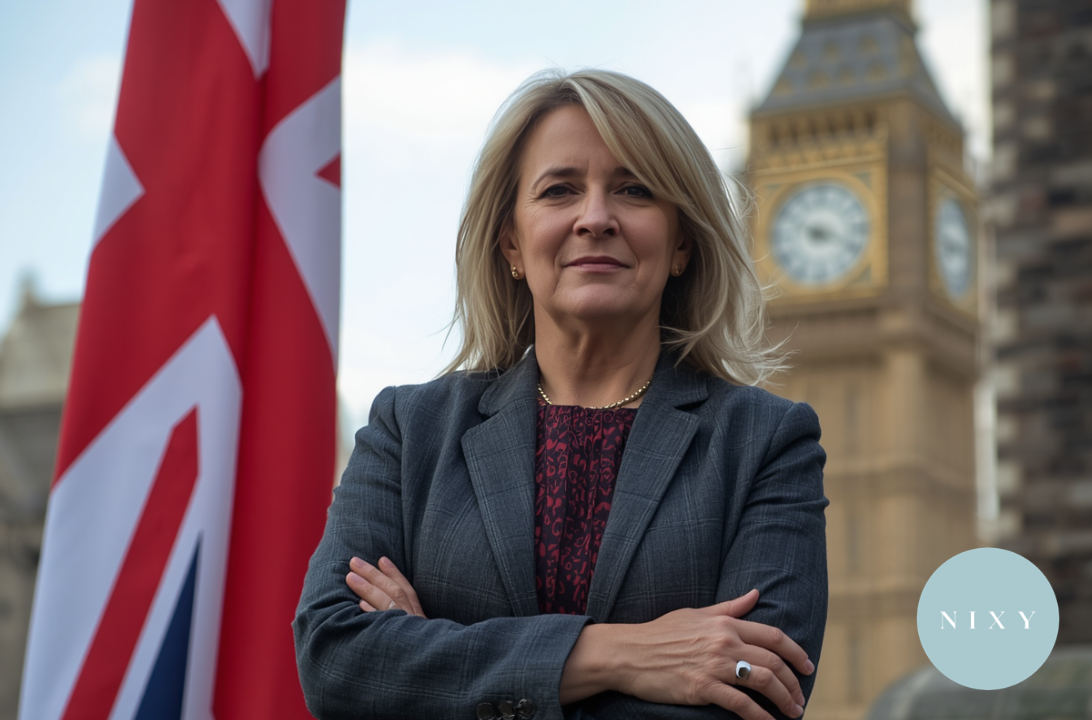
From April 2026, UK employers with 250+ employees can voluntarily publish an action plan alongside their gender pay gap reporting. Introduced under the Employment Rights Act 2025, this marks a significant shift in how organisations approach workplace gender equality and employee wellbeing. By spring 2027, these action plans will become mandatory, requiring organisations to demonstrate not just awareness, but measurable action.
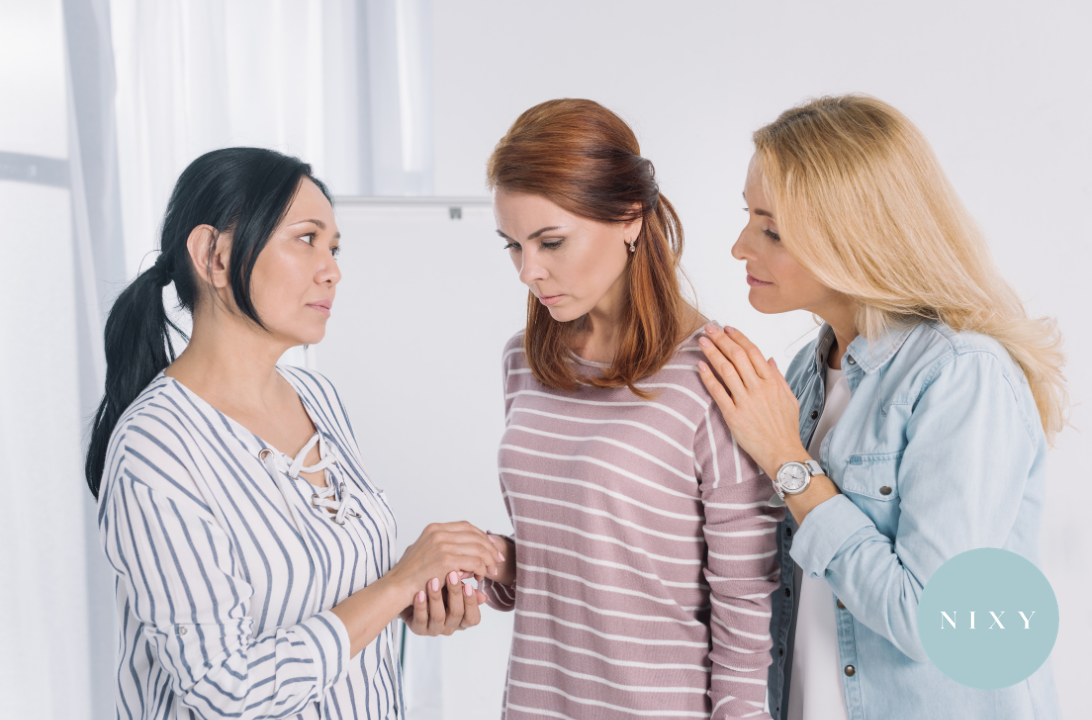
Wellness for women at work is often discussed as an individual concern. A personal issue. A benefit. Something supportive, but separate from core business outcomes. In reality, women’s wellbeing shapes organisational culture and performance far more than most leaders realise.

Workplace wellness has become more visible in recent years, yet for many women it still feels distant and misaligned. Programs exist, platforms are offered, benefits are listed. And yet women continue to struggle quietly, disengage, or leave altogether.
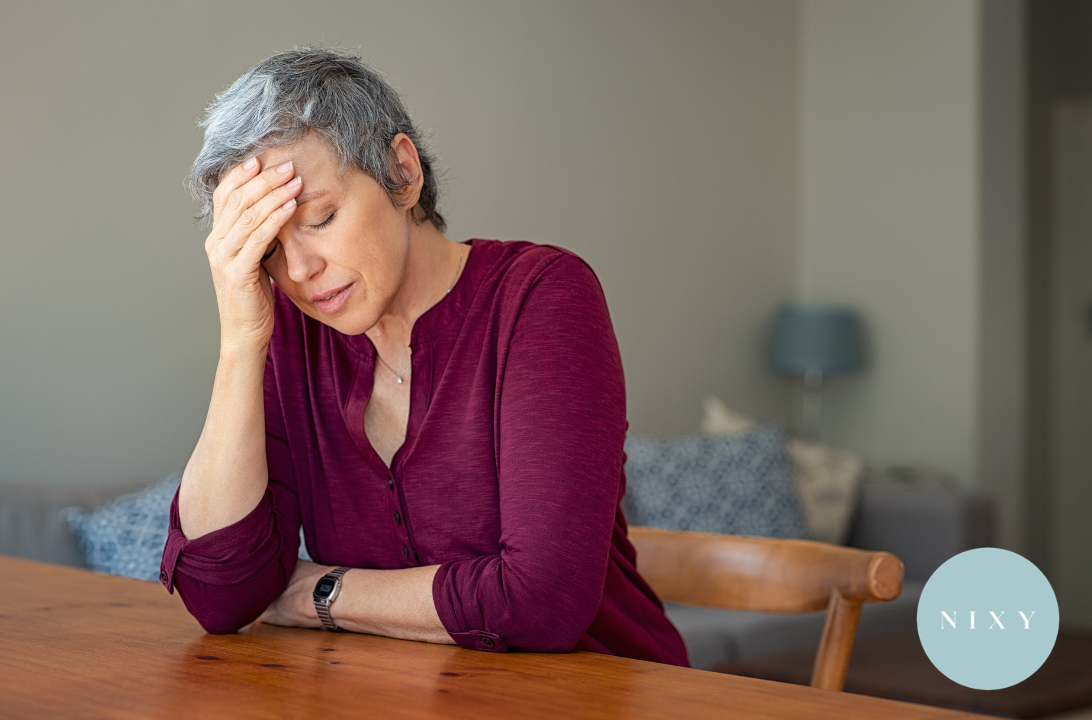
Much of the work women do is never written into job descriptions. It is not measured in performance reviews. It rarely appears in workload planning. Yet it shapes how organisations function every day.

Workplace bias is rarely obvious. It does not always appear as exclusion or discrimination. More often, it operates quietly through assumptions about confidence, availability, resilience, and ambition. These assumptions shape who is promoted, who is trusted, and who is given opportunity.

For many women, work does not begin or end at the office. It exists alongside caregiving responsibilities, invisible emotional labour, biological realities, and societal expectations that quietly shape how women experience their careers. Yet workplace care programs are still too often designed around a “neutral” employee who does not exist.

Pregnancy and early motherhood are often discussed in workplaces only at their happiest edges. Announcements, parental leave, return to work plans. What is missing from many conversations is the reality that for many women, this journey includes loss, trauma, physical recovery, and emotional complexity.

Psychological safety has become one of the most defining elements of modern leadership, yet for women it carries a deeper and more layered meaning. It determines whether they feel free to contribute fully, whether their voice carries weight, and whether they can participate without fear of subtle judgment. While many organisations speak about inclusion in broad terms, the day-to-day experience of women in the workplace often tells a very different story.

Women’s wellness in the workplace is no longer a peripheral issue or an optional benefit. It is a core driver of performance, retention, and organisational resilience. While many companies offer wellbeing perks or flexible policies, research shows that these measures often fail to address the specific health realities women face across their working lives.

Menstrual health has long been treated as a private matter, invisible, unspoken, and disconnected from the workplace. Yet research proves that hormonal cycles directly influence energy, productivity, emotional state, concentration, sleep, and even cognitive performance.

January always arrives with a quiet promise of renewal. A new calendar. Fresh possibilities. The familiar idea that this year will be different. For many women, this moment can feel inspiring and heavy at the same time. Instead of stepping into the year with calm, they often step into it with pressure. Expectations to reset everything at once. Plans to reinvent routines. Determination to meet every role with more energy, more discipline, more perfection.

The holiday season often arrives with a quiet promise of joy, rest, and celebration. Yet for many women, it brings something else as well. Planning. Coordinating. Buying. Organising. Hosting. Anticipating everyone’s needs. Holding the emotional tone of the entire season. The work is invisible, but the pressure is real.

Every year, as the holiday season approaches, something quietly but undeniably shifts for women. Work deadlines continue. Home responsibilities multiply. Emotional expectations expand. And somewhere between gift planning, meal preparation, family coordination, and managing everyone’s experience, the mental load reaches a level that many women feel but rarely voice.

A data-driven look at stressors, workload pressure, invisible labour, and the wellbeing gaps HR often misses. Burnout among women in 2025 isn’t just a personal struggle — it’s a systemic signal. Despite unprecedented advancements in wellbeing tools, flexible work, and corporate awareness, women continue to carry a disproportionate share of emotional, mental, and operational load in the workplace. The data paints a clear picture: the modern workplace still isn’t designed with women’s lived realities in mind. This is what women are truly navigating, and what HR and leadership often overlook.